Optimising the Teacher Portal with AI
How can we help teachers do their work through technology-enabled and simplified processes?
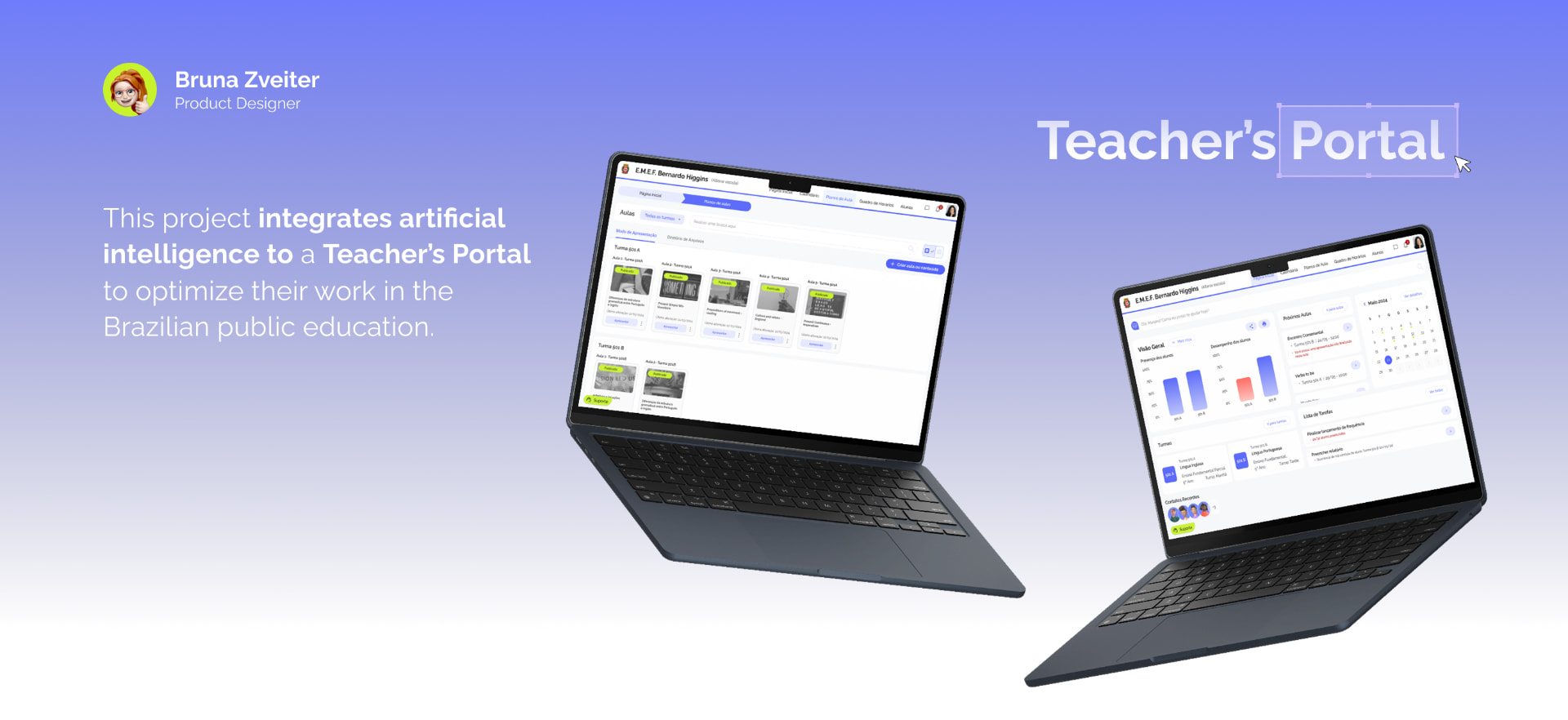
An integrated platform for teachers!
With the implementation of artificial intelligence, we simplified lesson planning and the creation of teaching materials, while offering analytics — using Power BI — to monitor student performance.
This solution aims to simplify processes that were previously fragmented and time-consuming, while also increasing the effectiveness of teaching, allowing educators to focus more on pedagogy and less on bureaucracy.
Our goal is to improve teachers’ experience, optimise the time dedicated to planning and contribute to a more personalised and effective teaching approach.
About the project
- Problem discovery and definition
- Journey mapping
- Qualitative and quantitative research
- MVP prototyping
- Usability testing
- Data analysis
- UI Design
- Overall: +6 weeks
- Discovery & Research: +4 weeks
- Prototyping & Validation: +2 weeks

Design Process
Discovery → Definition → Development → Testing
In this project, we started by investigating the main challenges teachers face on a daily basis, through interviews and a qualitative analysis of software already on the market.
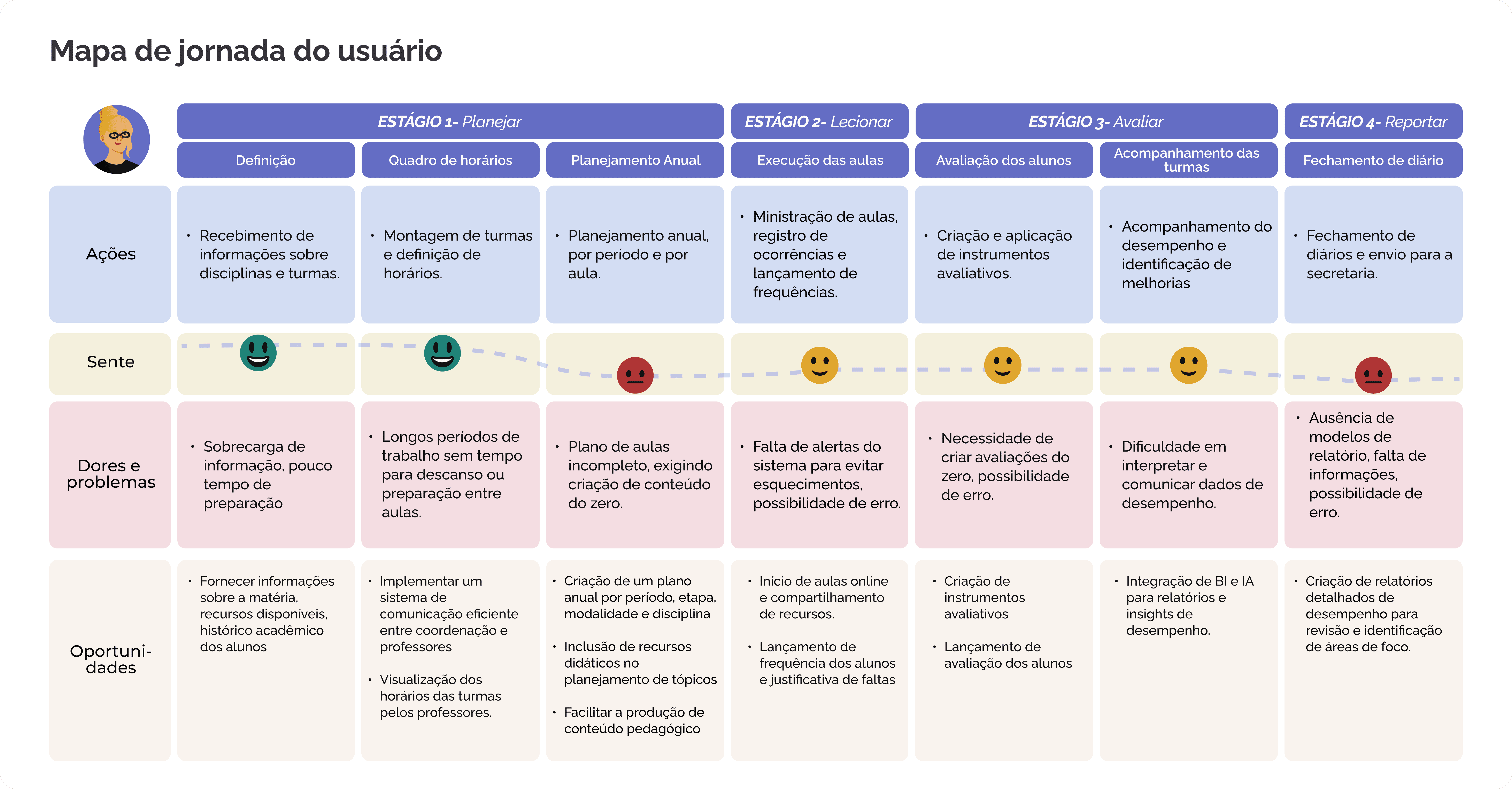
From those insights, we mapped the journey, defined our persona and prioritised features based on real data.
We prototyped a solution, tested it with users in low and high fidelity, and iterated based on feedback.
One of the key points was the integration of artificial intelligence to automate tasks and suggest content, always focused on making the experience more efficient and aligned with the real needs of teachers.
- 01 · DiscoveryInterviews, desk research and apps tour.
- 02 · DefinitionCSD matrix, persona and prioritisation.
- 03 · DevelopmentSitemap, flows and prototyping of the MVP.
- 04 · TestingUsability sessions and iteration.
Discovery & Research
Desk Research Insights ✻
Decentralised features
Teachers have to orchestrate a wide variety of platforms and software, each handling one specific part of their working journey. This fragmentation makes the routine more complex, since different tools are needed for complementary tasks (often on personal devices that must support all of them). This decentralisation suggests the need for an integrated solution that brings essential features into a single environment, reducing overload and making teachers’ day-to-day easier.
Resistance to technology
One of the challenges identified was the resistance of some educators to adoting new technologies. This can be related to a lack of familiarity or confidence with digital tools, which raises the hypothesis that a more intuitive interface and proper training are needed to reduce the technological barrier and increase acceptance of digital platforms.
Strategic inconsistency
The frequent change of platforms used to interact with students and share materials reinforces the need for a system designed for the daily routine of these professionals.
Training
The lack of proper training for educators in the use of educational technology is a critical gap that needs to be addressed. Including training as part of the solution can help improve the effectiveness of technology adotion in schools.
Benchmarking.
On top of the desk research, we ran a detailed benchmarking exercise on our potential competitors.
- Plurall
Digital platform from SOMOS Educação bringing together didactic content and tools to support pedagogical management and teaching processes in basic education.
- Galileu
School management software with tools to organise the routine and support the administration of educational institutions, including monitoring of data and school processes.
- DRM360 / Ensina.AI
Educational platform with a course library, e-commerce for materials, enrolment and school management. Integrated with Ensina.AI, it offers AI-based features for course creation, student tutoring and academic monitoring.
- P+
App from the Poliedro teaching system with adaptive learning features. Enables communication between school, students and guardians, study routines, assignments, mock exams and cloud file storage.
- Meu Bernoulli 4.0
Educational platform with didactic resources that can be assigned to students by their teachers. Supports assignments, messages, performance monitoring and assessment generation.
- i-Educar
Public, free and open-source educational management system. Used to centralise school information, reduce paper use and speed up communication between schools, teachers and education departments.
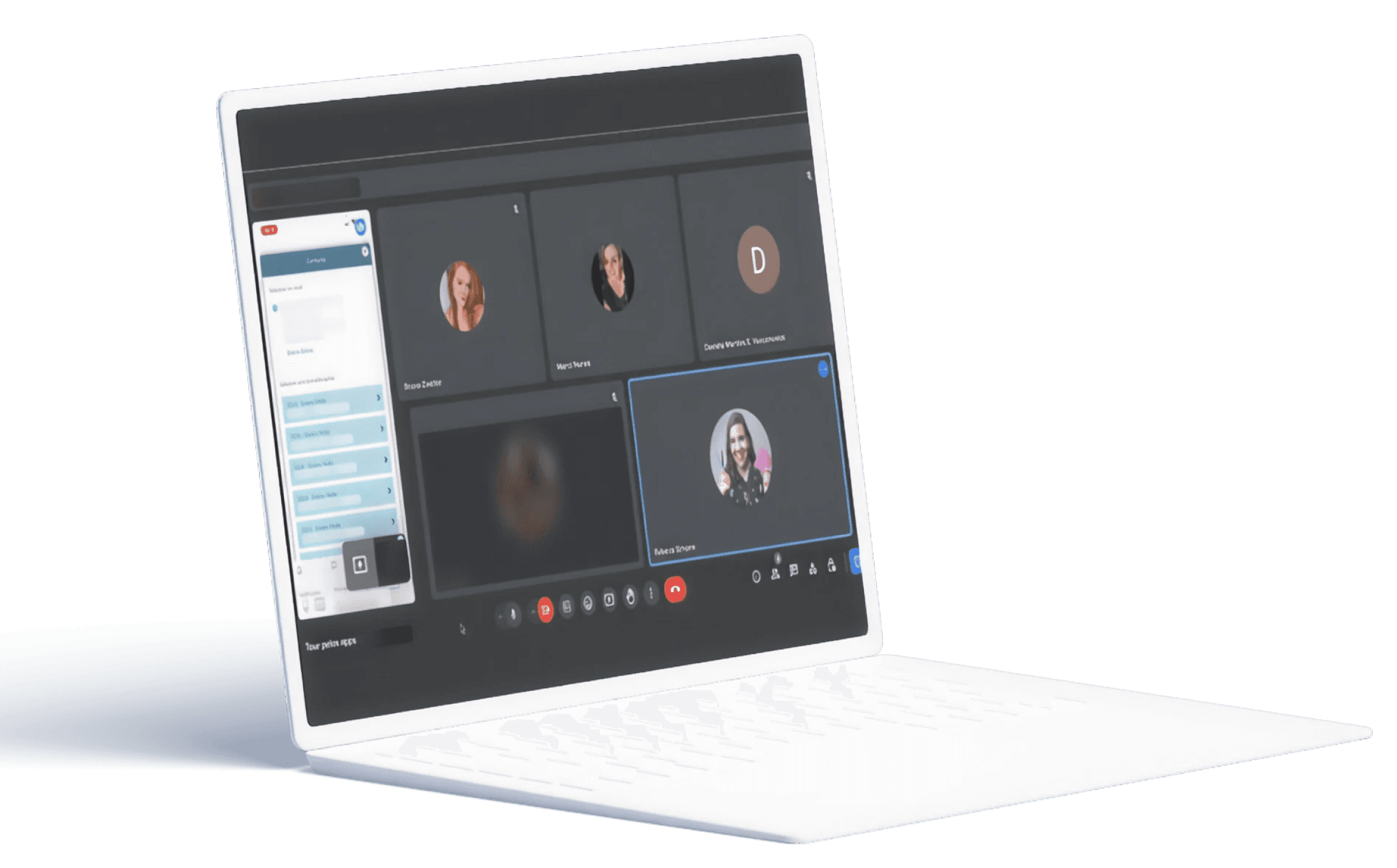
Apps tour
To better understand the context of the problem, we did a tour through the apps used by teachers working in public schools, where we found a wide variety of software used for different functions.
The teachers explained the challenges they face daily, highlighting the need for a more integrated solution.
The wide range of apps required for their work demands a personal device with advanced resources and large storage capacity.
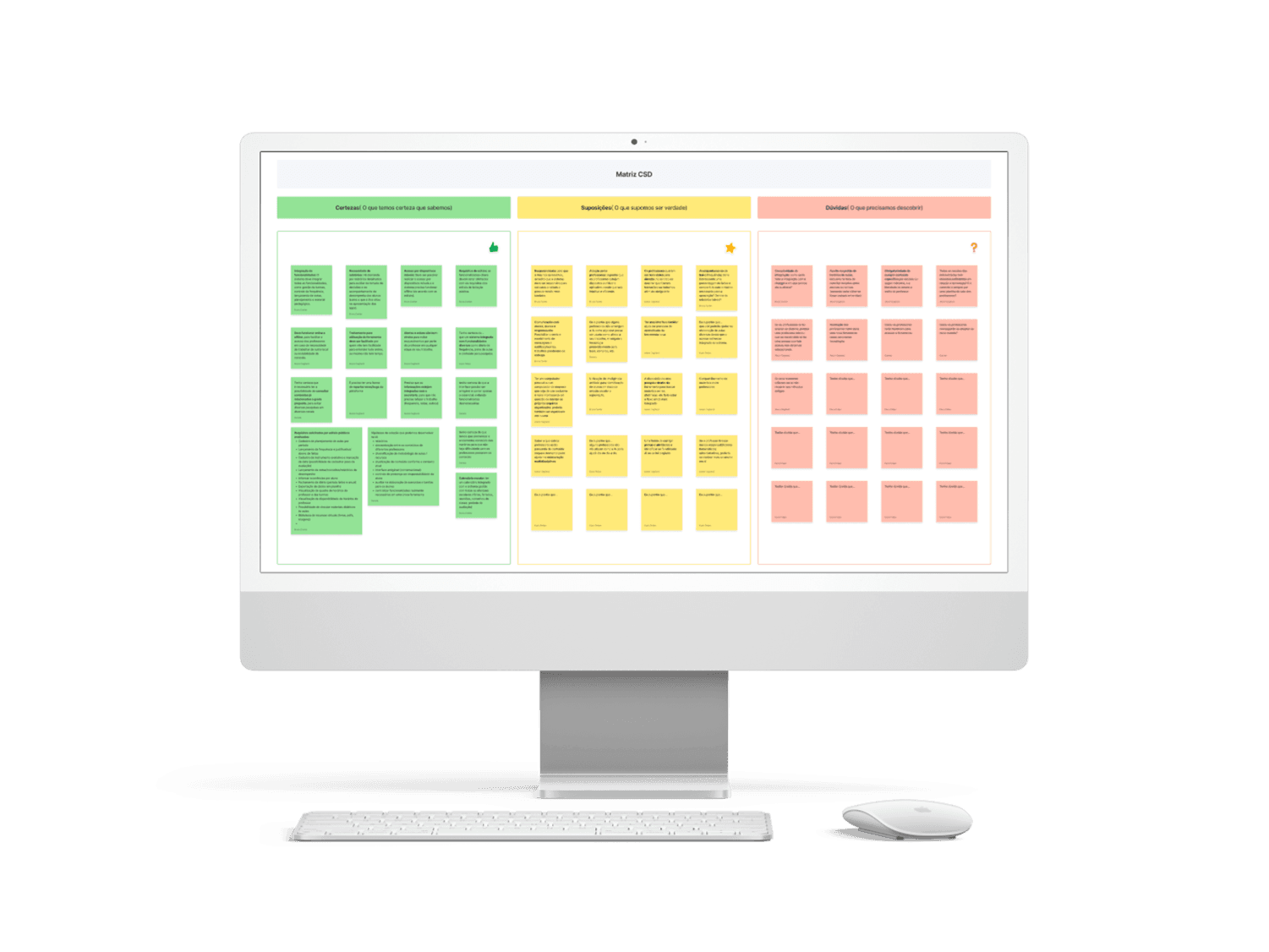
CSD Matrix.
We used a CSD Matrix (Certainties, Suppositions and Doubts) to clarify and organise our knowledge of the problem. This instrument pointed us to areas that needed more research, so we decided to run in-depth interviews with teachers from public schools.
Voices from the classroom
“The bureaucratic part gets in the way a little, what I really enjoy is being with the students, that’s what gives me pleasure! We used an app until last year, and there were many problems, like grades disappearing or incorrect calculations […] the new one is split across two platforms: Classapp and Active Soft.”

Definition
Teachers’ challenges.
Need for devices with high performance and storage
Instability of teaching platforms
Privacy and data-protection issues
Decentralised information and features
Bureaucratic overload
Production of pedagogical content
Business Model Canvas.
- Technology providers.
- Data-protection (LGPD) consultants.
- Hardware suppliers (for public schools).
- Education department.
- Companies representing the software (White Label sales model planned).
- Platform development and maintenance.
- Continuous evolution based on listening to users.
- Integration of features.
- Concentration of data in one place.
- Automation of administrative and pedagogical tasks (e.g. grade averages).
- Detailed reports and analysis of student performance.
- AI integrated to help teachers interpret and analyse performance data, offering insights into trends and patterns.
- Generative AI support for creating pedagogical materials.
- Technical support.
- Training and capacity building.
- Channel for questions and suggestions.
- UX research.
- Public teaching institutions.
- Municipalities, States, Federal Government.
- Teachers.
- Technological platform.
- Development team.
- Technical support team.
- Projects / public tender team.
- Integration with ChatGPT.
- Web portal.
- Mobile app.
- Platform development and maintenance: costs related to building, updating and maintaining the teacher portal and the mobile app.
- Technical support and training: costs associated with offering support and training to portal users.
- Public tenders for educational software.
Prototyping & Testing
Sitemap.
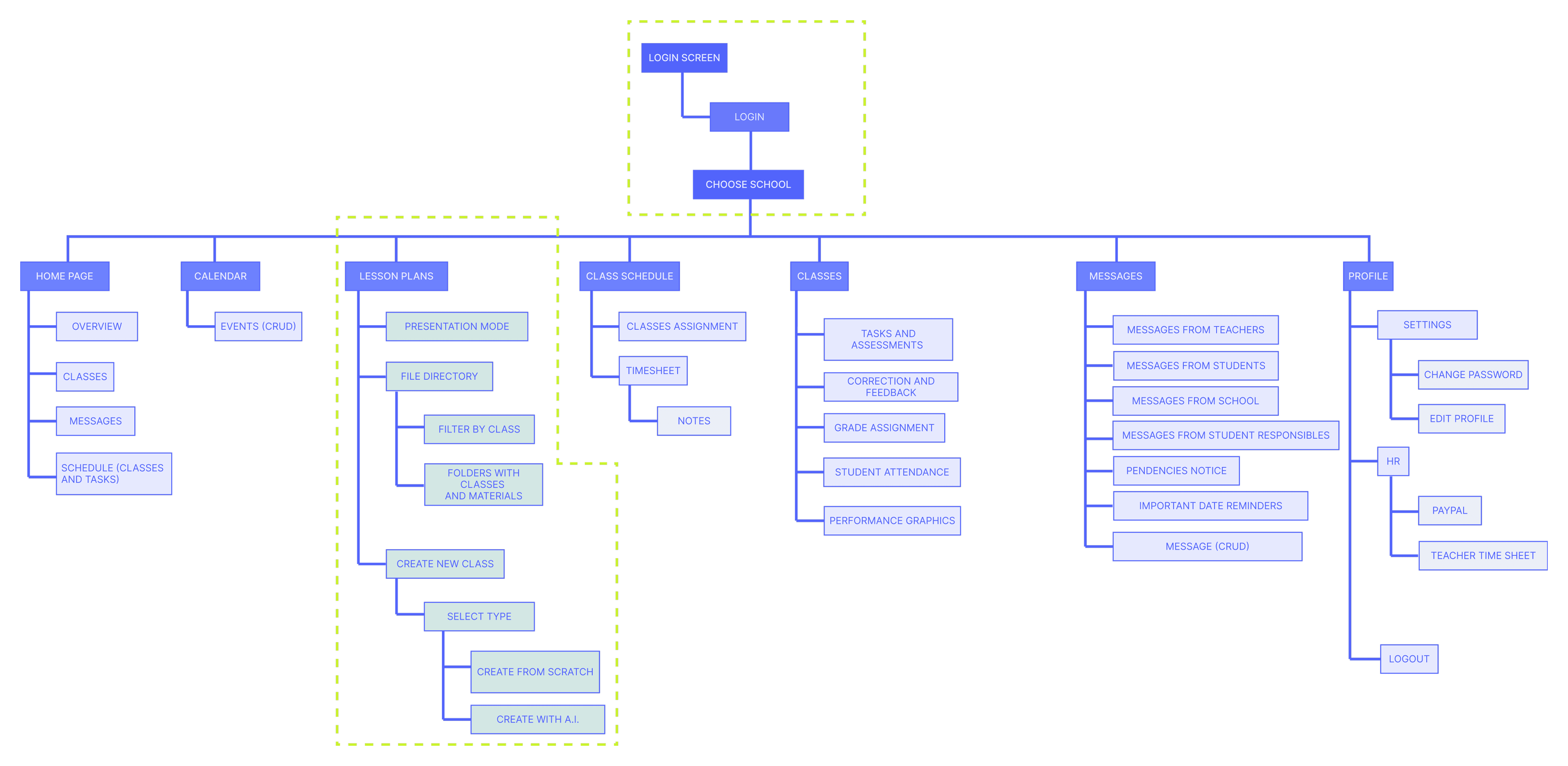
This is a general view of the sitemap with all the features needed for the teacher’s tasks, mapped during the discovery phase.
The section highlighted in green represents the flow we selected for our MVP prototype.
MVP & Testing
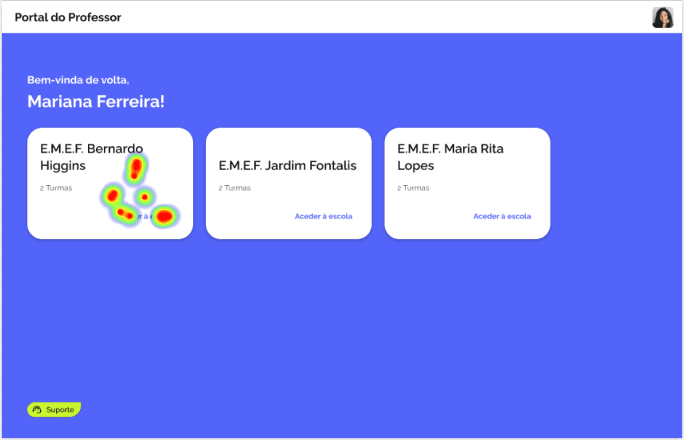
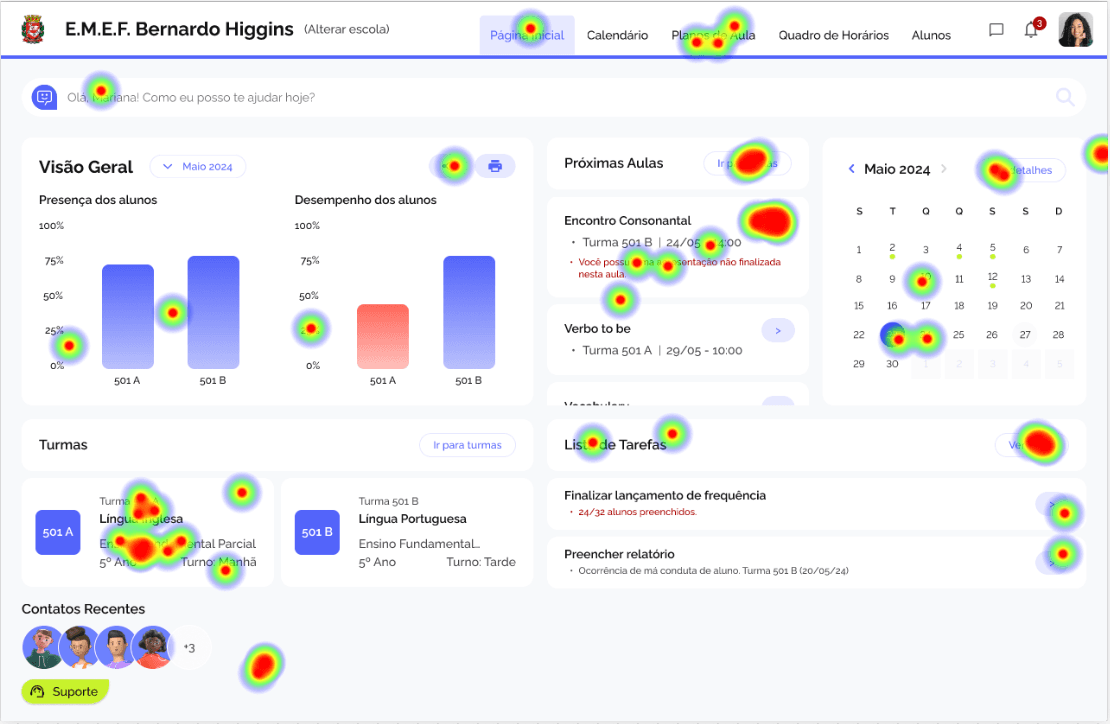
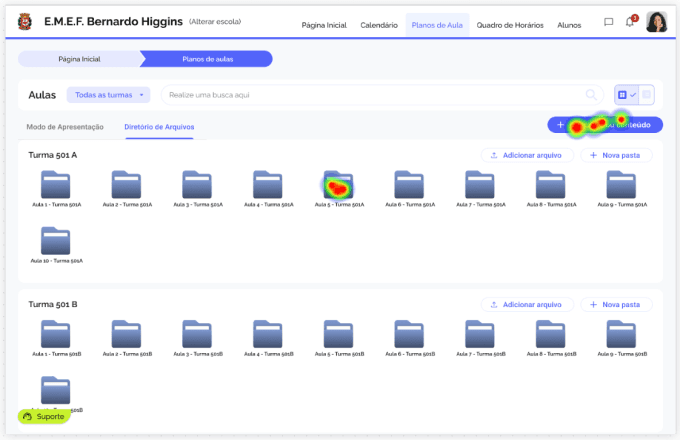
After prototyping our MVP, we ran a usability testing session in which we identified points for improvement. We assessed whether the navigation flows were intuitive, included the SUS (System Usability Scale) — Ease of Use, and obtained an average rating of 4/5.
We addressed the flows where difficulties were found, and the next step in this project would be another round of usability testing to validate the changes made.
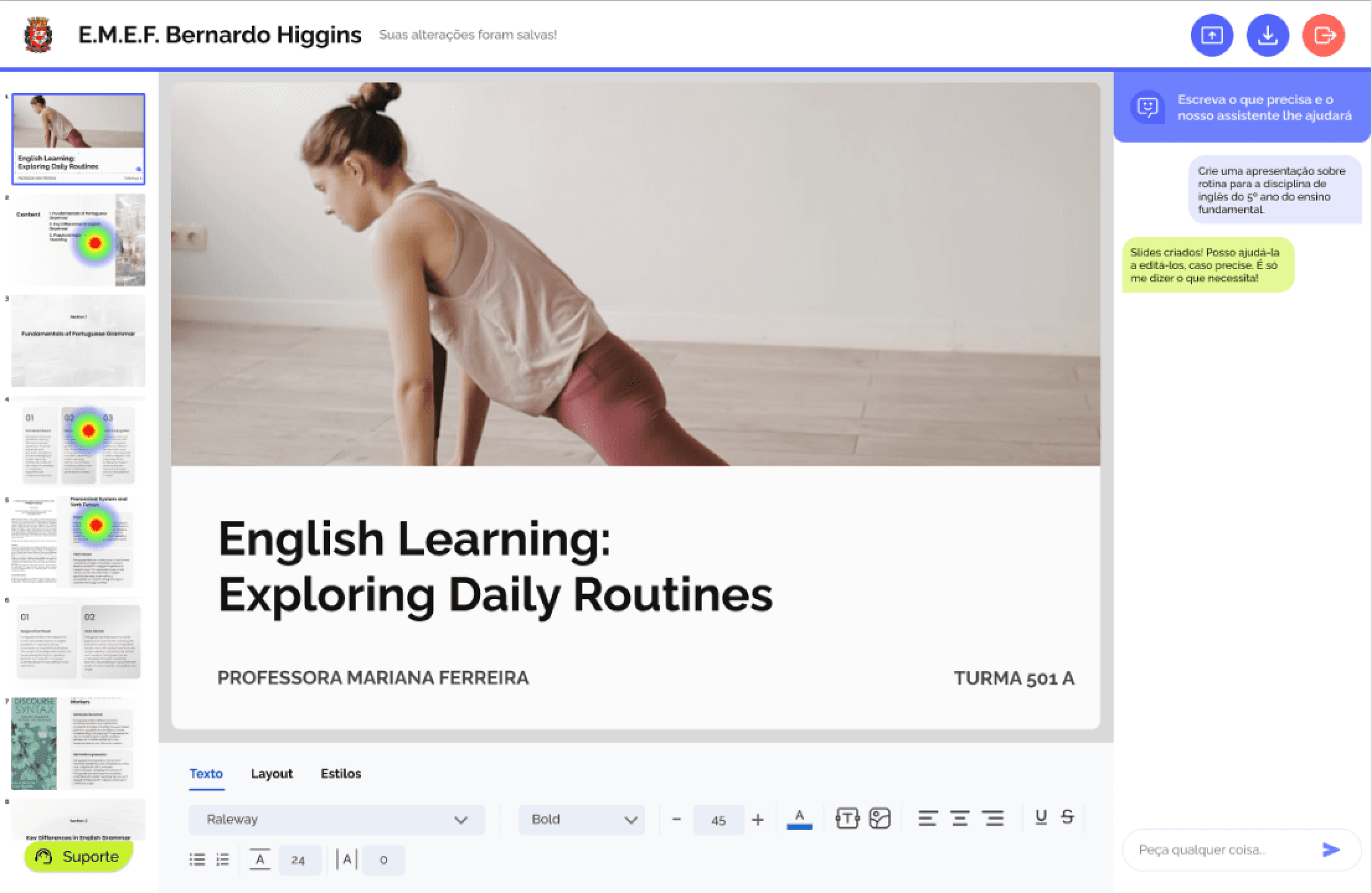
Artificial Intelligence
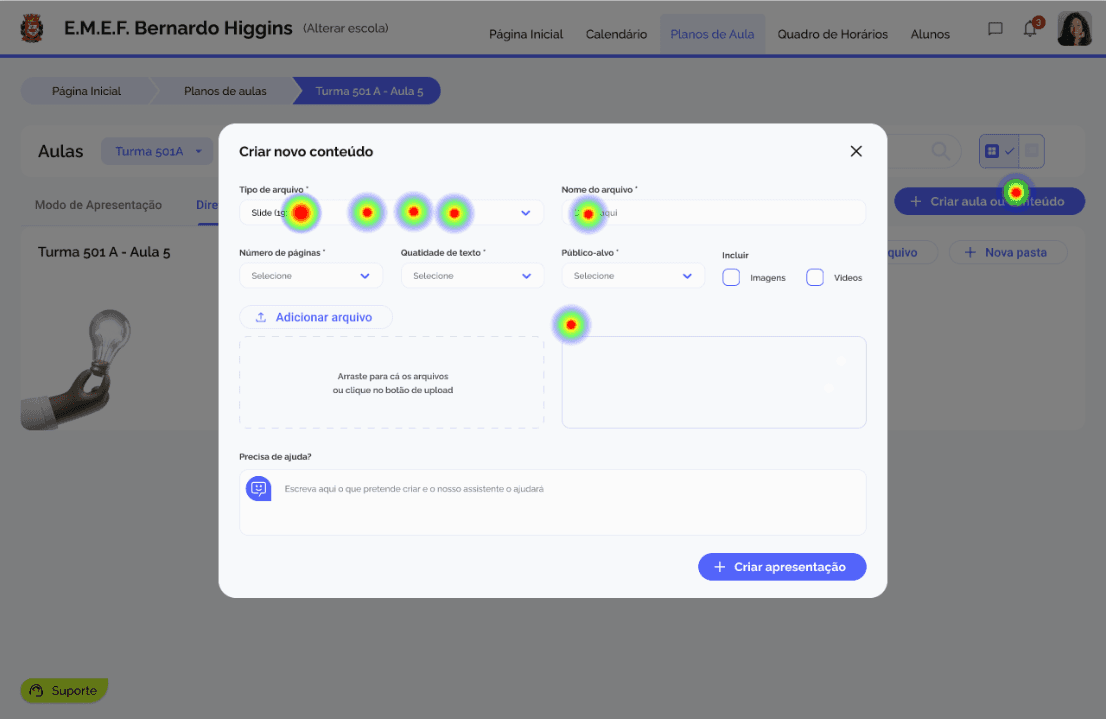
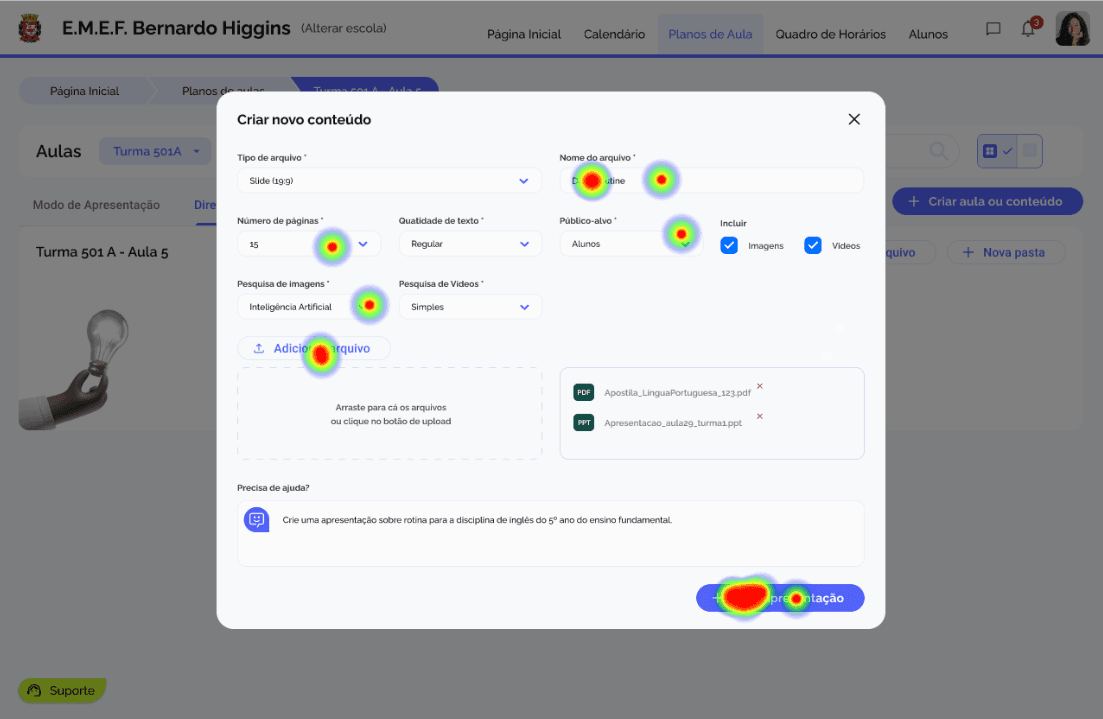
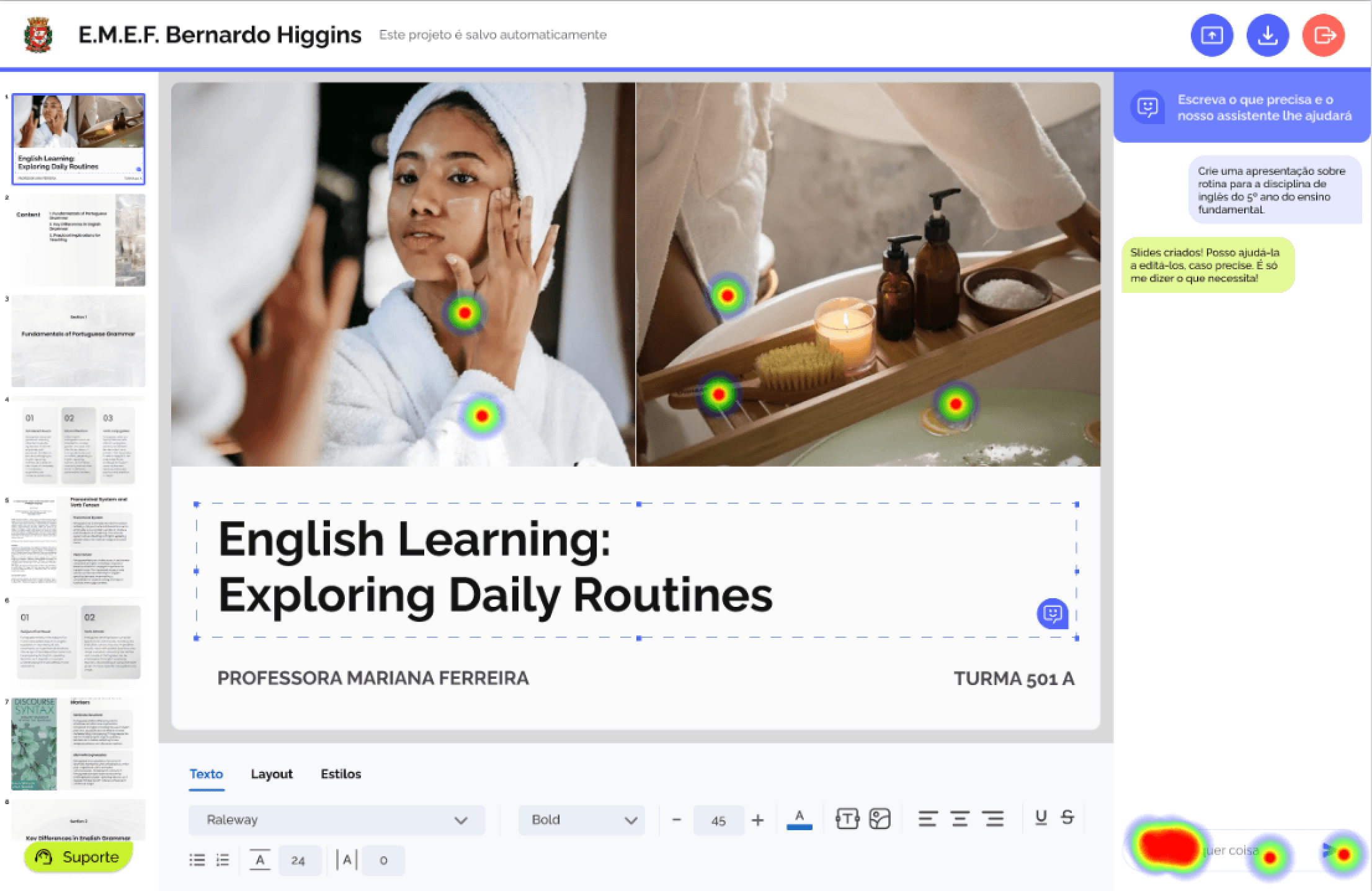
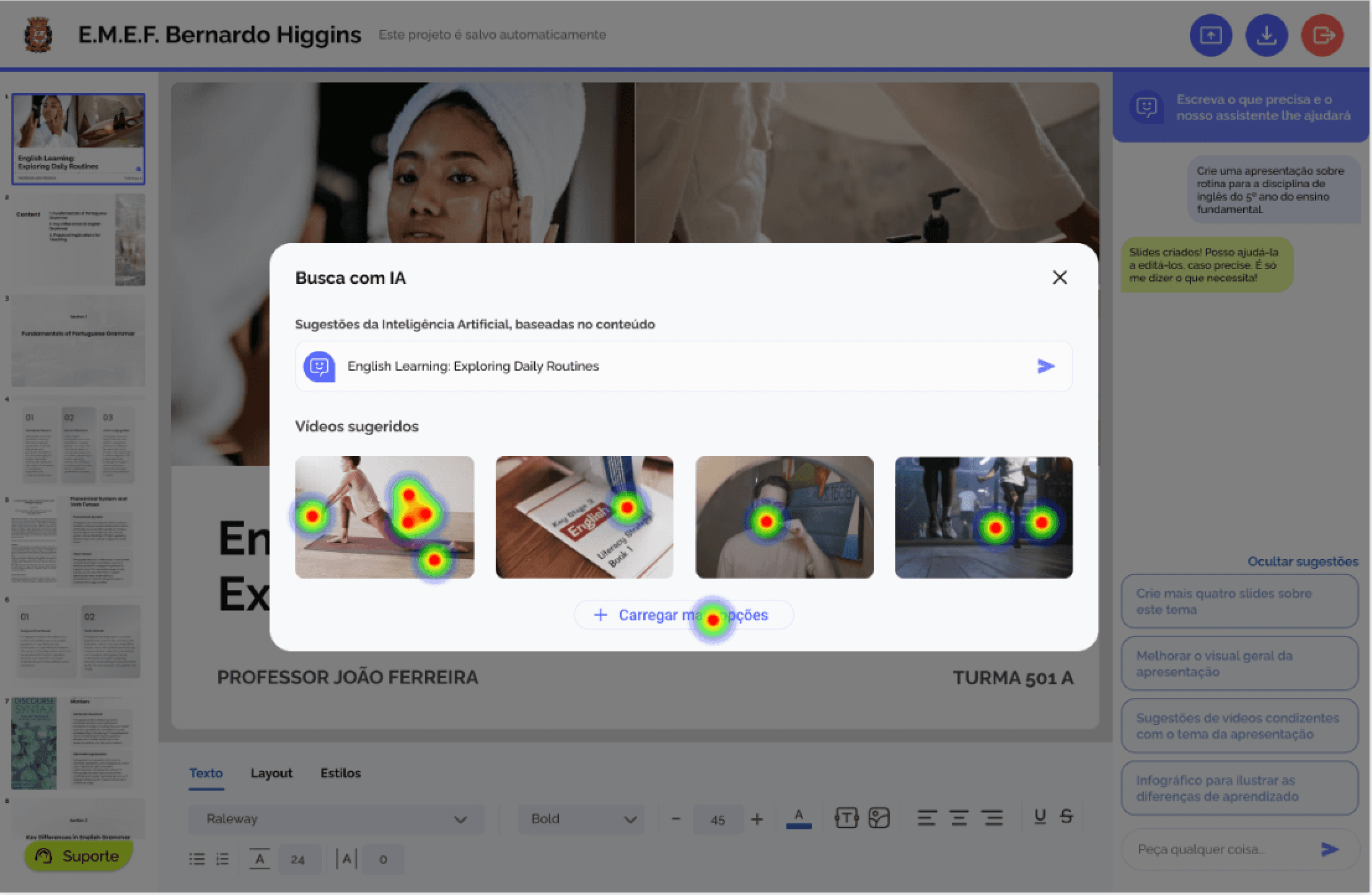
Artificial intelligence was introduced as a tool to support teachers, helping them with lesson planning, content generation and pedagogical support.
Lesson planning
Suggestions aligned with the curriculum required by the Ministry of Education.
Content generation
Generative AI support for creating teaching materials and activities.
Pedagogical support
An AI agent that helps teachers interpret performance data and provides diret guidance.
Workflow simplification
Automation of administrative and pedagogical tasks so educators can focus on teaching.
Future vision
Future vision.
This project is intended to be an educational platform and a national hub for innovation, integrating emerging technologies to offer more effective and engaging educational experiences.
With the support of innovative resources such as artificial intelligence, the platform will help generate pedagogical content aligned with the programme required by the Ministry of Education and the states. It will also include an AI agent to offer diret support to the teacher.
The goal is to simplify processes, improve teaching quality and strengthen public education through technology.

Thank you for your attention!
This case study reflects a real design project. Some screens and materials have been adapted for portfolio purposes.